Manufacturers
Pharmaceutical manufacturers are an essential part of the modern healthcare system. They transform scientifically researched drug substances into medicines that can be manufactured consistently, tested for quality, packaged appropriately, and distributed through regulated healthcare channels. Their work covers much more than simply producing tablets or capsules—it includes research, formulation, testing, quality assurance, regulatory compliance, and ongoing monitoring.
For patients, understanding how medicines are manufactured can provide useful insight into why product quality, legitimate sourcing, storage conditions, and regulatory oversight matter. This is particularly important for medicines that require careful dosing or have significant safety considerations.
What Does a Pharmaceutical Manufacturer Do?
A pharmaceutical manufacturer is responsible for producing medicines according to established scientific and regulatory requirements. Depending on the organization, its responsibilities may include drug development, formulation, manufacturing, packaging, testing, and quality management.
A typical manufacturing process can involve:
- Selecting and evaluating pharmaceutical ingredients
- Developing an appropriate formulation
- Testing ingredients and finished products
- Manufacturing medicines in controlled facilities
- Checking products for strength, purity, and consistency
- Packaging and labeling products correctly
- Maintaining detailed manufacturing records
- Monitoring products after they reach the market
Manufacturers must operate under applicable regulatory standards and quality systems. In the United States, facilities producing medicines are subject to oversight by the Food and Drug Administration (FDA), including requirements associated with current Good Manufacturing Practice (cGMP).
From Research to Finished Medicine
Before a medicine can reach patients, considerable scientific work may take place. Researchers first investigate potential active ingredients and how they might be formulated for therapeutic use. Promising compounds may then undergo laboratory studies and clinical research designed to evaluate safety and effectiveness.
Once an appropriate formulation has been established, manufacturing teams develop processes that can reliably produce the medicine at commercial scale. This requires controlling factors such as temperature, humidity, equipment performance, ingredient quantities, and production procedures.
The objective is consistency. A properly controlled manufacturing process should produce finished medicines that meet predetermined specifications from one production batch to another.
Brand-Name and Generic Medicines
Patients often encounter both brand-name and generic versions of medicines. A brand-name medicine is generally introduced by a company that developed or obtained rights to market the product. After applicable exclusivity or patent protections expire, other companies may manufacture approved generic versions.
An approved generic medicine contains the same active ingredient as its corresponding brand-name product and must meet applicable regulatory requirements. Depending on the medicine, differences can exist in inactive ingredients, appearance, packaging, or other characteristics.
Patients should not assume that an unfamiliar product is equivalent simply because its name resembles an established medicine. Legitimate medicines should come through authorized and regulated channels, and questions about switching between products should be discussed with a qualified healthcare professional.
Why Quality Control Matters
Quality control is one of the most important parts of pharmaceutical manufacturing. Medicines need to contain the appropriate ingredients in the specified amounts and remain within established quality limits throughout their shelf life.
Quality programs may include testing for:
Identity Whether the expected ingredient is present Strength Whether the medicine contains the specified amount of active ingredient Purity Whether unwanted substances remain within acceptable limits Uniformity Whether individual units are consistent Stability Whether the product remains suitable during its shelf life Contamination Whether microbial or other contamination is present
Manufacturers also maintain documentation and records that allow production activities and quality decisions to be reviewed and investigated when necessary.
Manufacturing Standards and Regulatory Oversight
Pharmaceutical production is highly regulated because manufacturing problems can directly affect patient safety. Regulatory authorities establish requirements covering manufacturing facilities, equipment, personnel, documentation, testing, packaging, and quality systems.
In the United States, the FDA can inspect regulated facilities and take regulatory action when applicable requirements are not followed. Manufacturers are expected to maintain appropriate procedures and records demonstrating that their products are manufactured according to established standards.
Regulatory oversight also continues after a medicine enters the market. Safety information, manufacturing concerns, product complaints, and other signals can contribute to ongoing evaluation of a medicine.
Why the Source of a Medicine Matters
The manufacturer is only one part of the medicine supply chain. Distribution and dispensing also play important roles in protecting product quality.
Medicines may pass through several stages before reaching a patient, including manufacturing, packaging, wholesaling, distribution, and dispensing. Appropriate storage and transportation conditions can be important because certain medicines may be affected by heat, moisture, light, or other environmental factors.
Patients should therefore obtain prescription medicines through legitimate healthcare and pharmacy channels. A professional pharmacist can also help verify product information, explain labeling, and address questions about storage or use.
Supply Chains and Medicine Availability
Pharmaceutical manufacturing also affects medicine availability. A medicine can become temporarily difficult to obtain for many reasons, including increased demand, manufacturing interruptions, shortages of raw materials, quality investigations, transportation problems, or other supply-chain disruptions.
Manufacturers, distributors, regulators, healthcare providers, and pharmacies all have roles in managing these challenges.
A resilient pharmaceutical supply chain requires careful planning, reliable suppliers, appropriate inventory management, quality oversight, and communication between organizations. Diversifying manufacturing capacity can also help reduce the impact of an interruption at a single facility.
Technology Is Changing Pharmaceutical Manufacturing
Modern pharmaceutical manufacturing continues to evolve. Automation, improved analytical testing, computerized monitoring systems, advanced manufacturing technologies, and data-driven quality management are changing how medicines are produced.
Some facilities use automated equipment to improve consistency and reduce avoidable production errors. Advanced analytical technologies can help manufacturers identify quality issues more efficiently. Digital systems can also improve documentation, traceability, and production monitoring.
At the same time, technological improvements do not replace the need for qualified professionals and effective regulatory oversight. Human review, validated procedures, appropriate testing, and strong quality systems remain fundamental.
What Patients Should Look For
Patients generally do not need to understand every technical stage of pharmaceutical manufacturing, but several basic principles are useful when evaluating medicines.
Consider whether:
- The medicine was obtained through a legitimate healthcare or pharmacy channel.
- The packaging and labeling appear complete and appropriate.
- The product information identifies the medicine and manufacturer clearly.
- The medicine has been stored according to its labeling requirements.
- A pharmacist or healthcare professional can answer questions about the product.
- The medication is being used according to the prescribing instructions.
Patients should be particularly cautious about websites or sellers that make unusual claims, offer prescription medicines without appropriate medical oversight, or provide products with unclear labeling or uncertain origins.
The Importance of Responsible Medication Use
Even a medicine manufactured under rigorous quality standards must be used appropriately. The correct medicine, dose, treatment duration, and administration instructions depend on individual circumstances and the specific product.
Patients should follow the instructions provided by their prescriber and pharmacist. They should also disclose other medicines, supplements, allergies, and relevant health information to their healthcare professionals because interactions and contraindications can affect treatment safety.
For medicines with dependence, misuse, or overdose risks, professional supervision is especially important.
Frequently Asked Questions
- What is a pharmaceutical manufacturer?A pharmaceutical manufacturer is a company or organization involved in producing medicines under established quality and regulatory requirements. Its activities can include formulation, production, testing, packaging, and quality assurance.
- Are generic medicines made by different manufacturers?Yes. After applicable patent or exclusivity protections end, multiple manufacturers may produce approved generic versions of a medicine. These products must satisfy applicable regulatory requirements.
- Why is pharmaceutical quality control important?Quality control helps verify that medicines meet established requirements for identity, strength, purity, consistency, and stability. It is an important component of protecting patients and maintaining product reliability.
- Who regulates pharmaceutical manufacturing in the United States?The FDA is the primary federal agency responsible for regulating many medicines and pharmaceutical manufacturing activities in the United States. State authorities and other regulatory bodies may also have relevant responsibilities.
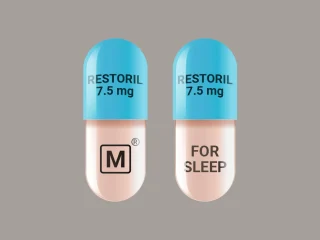
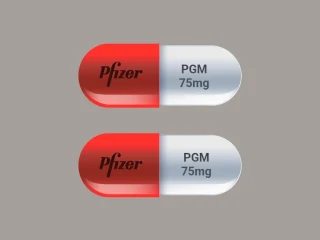
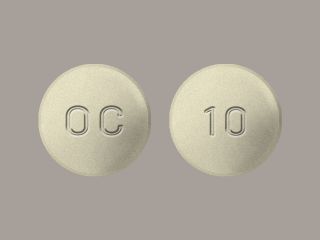
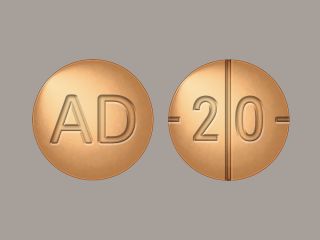
- Can medicines from different manufacturers look different?Yes. Approved medicines containing the same active ingredient can differ in appearance, inactive ingredients, packaging, or other characteristics. Patients should rely on the product’s approved labeling and professional advice rather than appearance alone.
- Why do medicine shortages occur?Shortages can result from manufacturing problems, increased demand, raw-material limitations, quality issues, transportation disruptions, or other supply-chain challenges.
- How can patients make safer medication choices?Patients should obtain medicines through legitimate, regulated channels, use medications according to professional instructions, check labeling carefully, and consult a pharmacist or healthcare professional whenever they have questions about a product.